
A balanced diet is one of the most important foundations of good health. The food we eat provides the body with the nutrients it needs to produce energy, support growth, repair tissues, strengthen the immune system, and maintain proper functioning of every organ. While many people focus on individual foods or popular diet trends, long-term health depends on consistently eating balanced meals that contain the right combination of nutrients.
A balanced meal includes carbohydrates, proteins, healthy fats, vitamins, minerals, fiber, and adequate fluids in appropriate proportions. Each nutrient performs a specific function, and together they help the body work efficiently. Health organizations around the world emphasize the importance of eating a variety of nutrient-rich foods, including fruits, vegetables, whole grains, lean proteins, and healthy fats, while limiting excessive sugar, salt, and highly processed foods.
In today’s busy lifestyle, skipping meals or relying on fast food has become common. However, poor eating habits can increase the risk of nutritional deficiencies, obesity, diabetes, heart disease, and other chronic health conditions. Choosing balanced meals consistently can improve physical health, mental well-being, and overall quality of life.
This guide explains how balanced meals improve health, why proper nutrition matters, and practical ways to build healthy eating habits.
What Is a Balanced Meal?
A balanced meal provides all the essential nutrients the body requires to function properly. Instead of focusing on one food group, it combines different nutrient sources to support overall health.
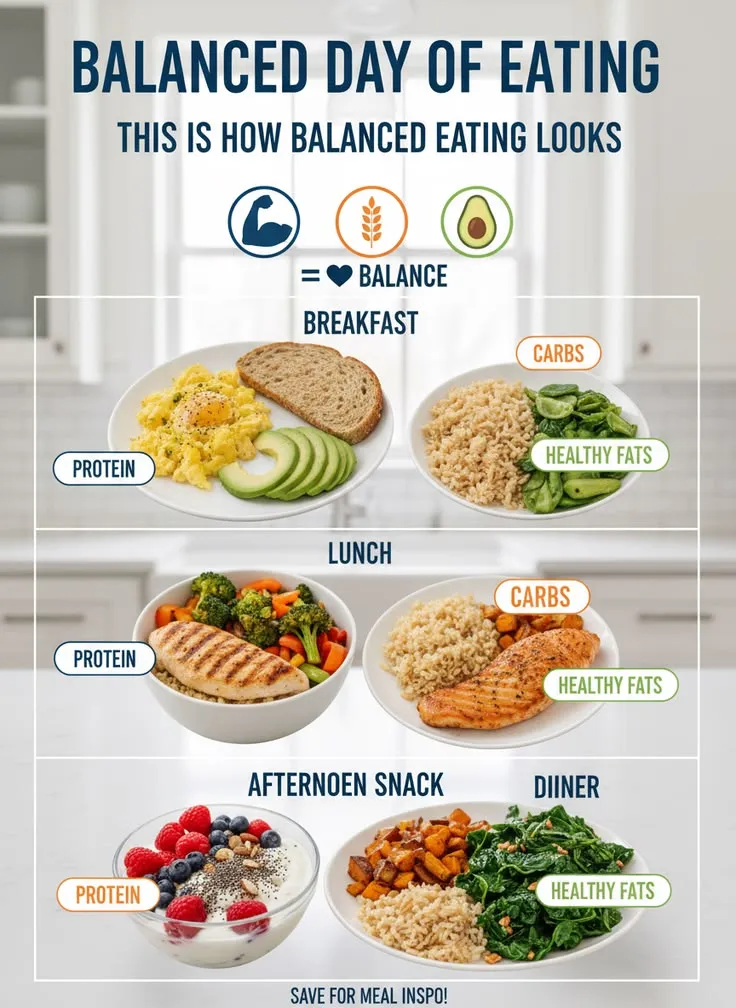
A typical balanced meal includes complex carbohydrates for energy, lean proteins for muscle repair and growth, healthy fats for brain and heart health, fiber for digestion, and a variety of vitamins and minerals from fruits and vegetables.
The goal is not perfection but variety and moderation. Eating foods from different food groups helps ensure the body receives a wide range of nutrients necessary for maintaining good health.
Balanced meals also encourage portion control, reducing the likelihood of overeating or consuming excessive calories.
Provides the Body with Essential Nutrients
Every cell, tissue, and organ depends on nutrients obtained from food. Balanced meals supply proteins, carbohydrates, fats, vitamins, minerals, and water that support countless biological functions.
Carbohydrates provide the body’s primary source of energy. Whole grains, fruits, vegetables, and legumes release energy gradually, helping maintain stable blood sugar levels.
Proteins help build and repair muscles, tissues, skin, hormones, and enzymes. Good protein sources include legumes, dairy products, fish, eggs, poultry, soy products, and lean meats.
Healthy fats support brain function, hormone production, and the absorption of fat-soluble vitamins. Sources include nuts, seeds, avocados, olive oil, and fatty fish.
Vitamins and minerals regulate important body processes such as immunity, bone health, nerve function, and metabolism.
Eating balanced meals ensures these nutrients work together to support optimal health.
Supports Healthy Energy Levels
One of the immediate benefits of balanced meals is steady energy throughout the day.
Meals containing a healthy mix of carbohydrates, proteins, and fats release energy more gradually than meals high in refined sugar or processed foods.
Balanced nutrition helps prevent sudden spikes and crashes in blood sugar, reducing fatigue and improving concentration.
Students, professionals, athletes, and older adults all benefit from consistent energy supplied by nutritious meals.
Maintaining stable energy levels also improves daily productivity and physical performance.
Strengthens the Immune System
The immune system depends on proper nutrition to protect the body from infections and illnesses.
Balanced meals provide essential nutrients such as vitamins A, C, D, E, zinc, iron, selenium, and protein, all of which support normal immune function.
Fruits and vegetables contain antioxidants that help protect cells from damage caused by free radicals.
Protein supports the production of immune cells and antibodies that defend the body against harmful microorganisms.
A nutritious diet cannot guarantee immunity from disease, but it helps the body respond more effectively to infections and recover efficiently.
Promotes Healthy Weight Management
Balanced meals play an important role in maintaining a healthy body weight.
Meals rich in fiber, protein, and healthy fats increase feelings of fullness, reducing unnecessary snacking and overeating.
Whole foods generally contain more nutrients and fewer empty calories than highly processed foods.
Regular balanced meals also help regulate appetite by maintaining stable blood sugar levels throughout the day.
Healthy weight management lowers the risk of obesity and many associated health conditions, including type 2 diabetes, heart disease, and certain cancers.
Rather than following restrictive diets, balanced eating encourages sustainable long-term habits.
Improves Digestive Health
The digestive system functions best when it receives enough fiber, fluids, and nutrient-rich foods.
Fiber found in fruits, vegetables, legumes, and whole grains supports regular bowel movements and promotes the growth of beneficial gut bacteria.
A healthy digestive system improves nutrient absorption and overall well-being.
Balanced meals also reduce the likelihood of digestive discomfort caused by excessive consumption of processed foods, unhealthy fats, and added sugars.
Drinking sufficient water alongside fiber-rich foods further supports digestive health.
Supports Heart Health
Cardiovascular health is closely linked to dietary habits.
Balanced meals that include fruits, vegetables, whole grains, legumes, nuts, and healthy fats can support healthy cholesterol levels and blood pressure.
Limiting excessive saturated fats, trans fats, sodium, and added sugars contributes to better heart health.
Foods rich in potassium, fiber, and unsaturated fats support normal cardiovascular function.
Healthy eating patterns maintained over time can reduce the risk of developing heart-related diseases.
Enhances Brain Function and Mental Well-Being
The brain requires a constant supply of nutrients to function effectively.
Balanced meals provide glucose from complex carbohydrates, healthy fats for brain cell function, and vitamins and minerals involved in nerve signaling.
Omega-3 fatty acids, B vitamins, iron, magnesium, and antioxidants all contribute to cognitive function.
Research suggests that healthy dietary patterns may support concentration, memory, learning, and emotional well-being.
Skipping meals or relying heavily on nutrient-poor foods may negatively affect mood, focus, and mental performance.
Supports Bone and Muscle Health
Strong bones and muscles depend on consistent intake of essential nutrients.
Protein supports muscle growth, repair, and maintenance.
Calcium, vitamin D, phosphorus, magnesium, and vitamin K contribute to healthy bones.
Balanced meals provide these nutrients naturally through dairy products, leafy green vegetables, legumes, fish, nuts, seeds, and fortified foods.
Combined with regular physical activity, good nutrition helps maintain strength and mobility throughout life.
Helps Prevent Nutritional Deficiencies
Restrictive diets or poor eating habits may lead to deficiencies in important vitamins and minerals.
Balanced meals reduce this risk by providing a wide variety of nutrients from multiple food groups.
Iron deficiency may contribute to fatigue, while inadequate vitamin D and calcium intake can affect bone health.
Vitamin B deficiencies may impact energy production and nervous system function.
Eating diverse, nutrient-rich meals supports overall nutritional balance and reduces the likelihood of deficiencies.
The Importance of Hydration Alongside Balanced Meals
Nutrition and hydration work together to maintain good health.
Water supports digestion, nutrient transportation, temperature regulation, joint lubrication, and waste removal.
Drinking adequate fluids throughout the day complements balanced eating and supports every major body system.
Choosing water instead of sugary beverages also helps reduce unnecessary calorie intake.
Proper hydration is an essential part of a healthy lifestyle.
Practical Tips for Creating Balanced Meals
Preparing balanced meals does not have to be complicated.
Start by filling half of the plate with colorful vegetables and fruits. Include whole grains such as brown rice, oats, or whole wheat products for sustained energy. Add lean protein sources like beans, lentils, eggs, fish, poultry, tofu, or low-fat dairy. Incorporate healthy fats from nuts, seeds, olive oil, or avocado in moderate amounts.
Limiting highly processed foods, excessive sugar, and high-sodium snacks helps improve overall dietary quality.
Planning meals in advance and cooking more meals at home can make healthy eating easier and more consistent.
Common Mistakes to Avoid
Many people skip breakfast, eat irregularly, or rely heavily on processed convenience foods.
Another common mistake is focusing on a single nutrient while ignoring overall dietary balance.
Extremely restrictive diets may eliminate important food groups and increase the risk of nutritional deficiencies.
Large portion sizes, sugary drinks, and frequent consumption of fast food can also negatively affect health.
Developing balanced eating habits based on variety and moderation is more sustainable than following short-term diet trends.
Conclusion
Balanced meals are essential for maintaining good health throughout every stage of life. By providing the right combination of carbohydrates, proteins, healthy fats, vitamins, minerals, fiber, and water, balanced nutrition supports energy production, immune function, heart health, digestion, brain performance, and healthy weight management.
Rather than relying on restrictive diets or individual “superfoods,” long-term wellness comes from consistently eating a wide variety of nutritious foods in appropriate portions. Combined with regular physical activity, sufficient sleep, and healthy lifestyle habits, balanced meals create a strong foundation for lifelong health.
Making thoughtful food choices each day is one of the most effective ways to improve overall well-being, prevent chronic diseases, and enjoy a healthier, more active life.
